Fastest Growing E-Waste Problem Most People Don’t Notice
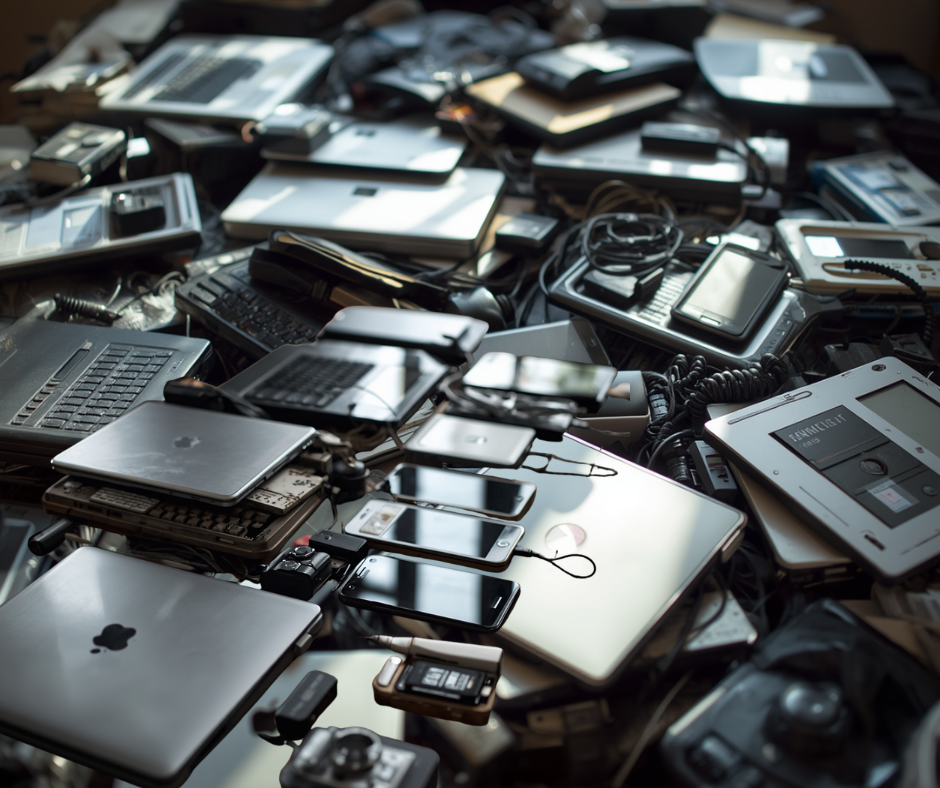
How many electronic devices do you see?
A laptop. A mobile phone. A charger. Maybe an old hard drive tucked away in a drawer.
What happens when these devices stop working or get replaced?
Most of us don’t think about it. We simply upgrade and move on. But every old device left unused contributes to a growing challenge known as e-waste.
Technology is advancing rapidly, and electronic devices are being replaced more frequently than ever. Businesses upgrade their systems, employees receive new laptops, and consumers switch to the latest smartphones.
The result?
Millions of tonnes of electronic waste are generated every year, making e waste management one of the biggest environmental priorities worldwide.
Unlike ordinary electronic devices, which contain a mix of materials.
Some can be recovered and reused.
Others require careful handling to prevent environmental damage.
That’s why proper e-waste disposal is not just about throwing something away, it’s about ensuring that valuable resources are recovered through responsible e-waste recycling processes.
An old laptop may look outdated, but inside it are materials that still have value.
- Metals that can be recovered
- Components that can be reused
- Parts that can be recycled
- Storage devices that may still contain sensitive data
This is why businesses are increasingly investing in proper electronic waste disposal and secure asset management practices.
For organizations, e-waste isn’t just an environmental issue.
It’s also a data security issue.
Old computers, servers, and storage devices may still contain confidential information. Without proper handling, businesses risk both compliance and security challenges.
A structured approach to waste management and electronic waste recycling service helps reduce these risks while supporting sustainability goals.
Before storing another old laptop in a cabinet or sending electronics to a landfill, consider whether those devices can be recycled responsibly.
Effective e waste collection and recycling programs help recover valuable materials, reduce environmental impact, and support a more sustainable future.
The next time you upgrade a device, don’t just think about what’s new.
Think about what’s being left behind.
Because responsible e waste management starts with a simple question:
“What should happen to this device next?”