Managing E-Waste in India’s Rapidly Expanding Digital Economy
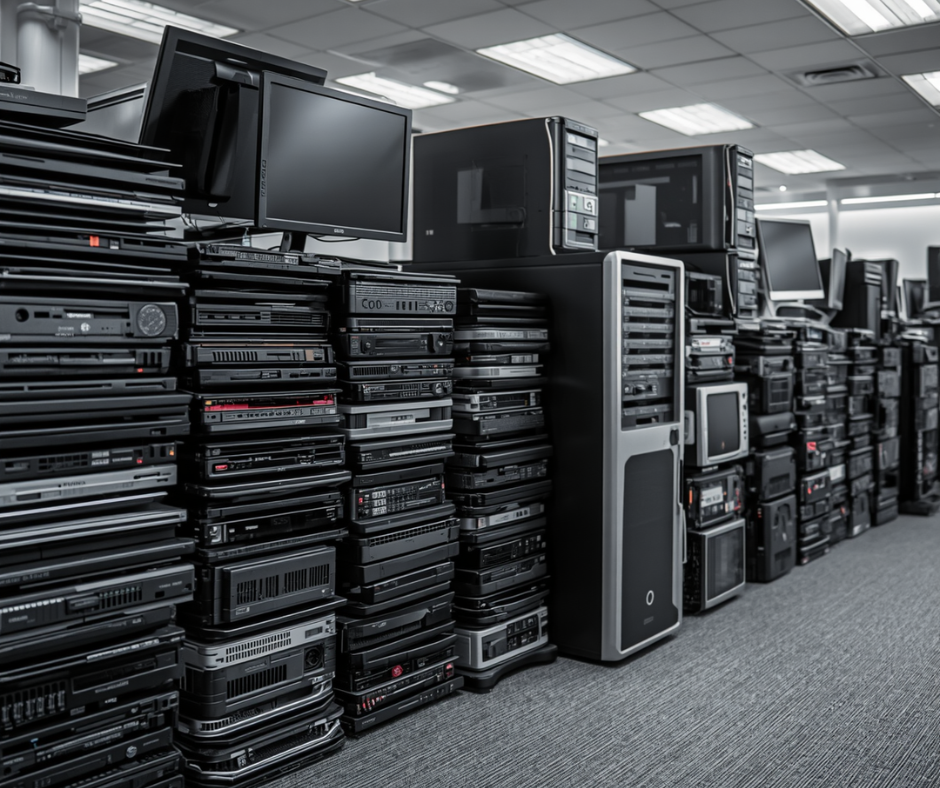
India is embracing technology at an incredible pace. From startups and corporate offices to schools and households, electronic devices have become a part of everyday life. Every year, businesses invest in new laptops, servers, desktops, networking equipment, and other digital tools to stay competitive.
But there is a side to this digital growth that often goes unnoticed.
For many organizations and individuals, outdated electronics end up in storage rooms, warehouses, or are disposed of without proper planning. As a result, India is facing a rapidly growing e-waste challenge.
A decade ago, businesses would use computers and laptops for several years before replacing them. Today, technology evolves much faster. Organizations regularly upgrade their IT infrastructure to improve performance, security, and productivity.
This frequent replacement cycle has significantly increased the volume of electronic waste being generated across the country.
Old laptops, desktops, servers, printers, routers, and storage devices are being retired every day. Without proper e waste management, these devices can become a serious environmental and operational challenge.
Unlike paper, plastic, or organic waste, electronic devices contain complex components and valuable materials.
Many electronics include metals, plastics, circuit boards, and batteries that require specialized handling. When these devices are discarded carelessly, they can contribute to pollution and resource wastage.
This is why proper e waste disposal and electronic waste disposal have become increasingly important for both businesses and individuals.
The goal is not simply to get rid of old equipment but to ensure that it is handled responsibly through authorized e waste recycling processes.
Businesses are among the largest contributors to electronic waste generation.
As companies expand, they continuously upgrade their IT assets, resulting in large volumes of obsolete equipment. Managing these assets requires a structured approach to corporate e waste recycling and business e waste recycling.
Without a proper disposal strategy, organizations may face:
- Accumulation of unused electronic equipment
- Data security concerns
- Compliance challenges
- Increased storage costs
- Environmental risks
This is why many organizations are investing in corporate electronic waste management programs to handle outdated electronics responsibly.
Large organizations often manage thousands of electronic devices across multiple locations. As equipment reaches the end of its lifecycle, businesses require reliable enterprise e waste recycling and enterprise recycling solutions.
Similarly, manufacturing facilities, industrial parks, and technology companies generate significant volumes of electronic waste. Proper industrial e waste recycling helps ensure that these materials are recovered, recycled, or disposed of in an environmentally responsible manner.
For companies managing large quantities of obsolete electronics, bulk e waste recycling has become an essential part of sustainable business operations.
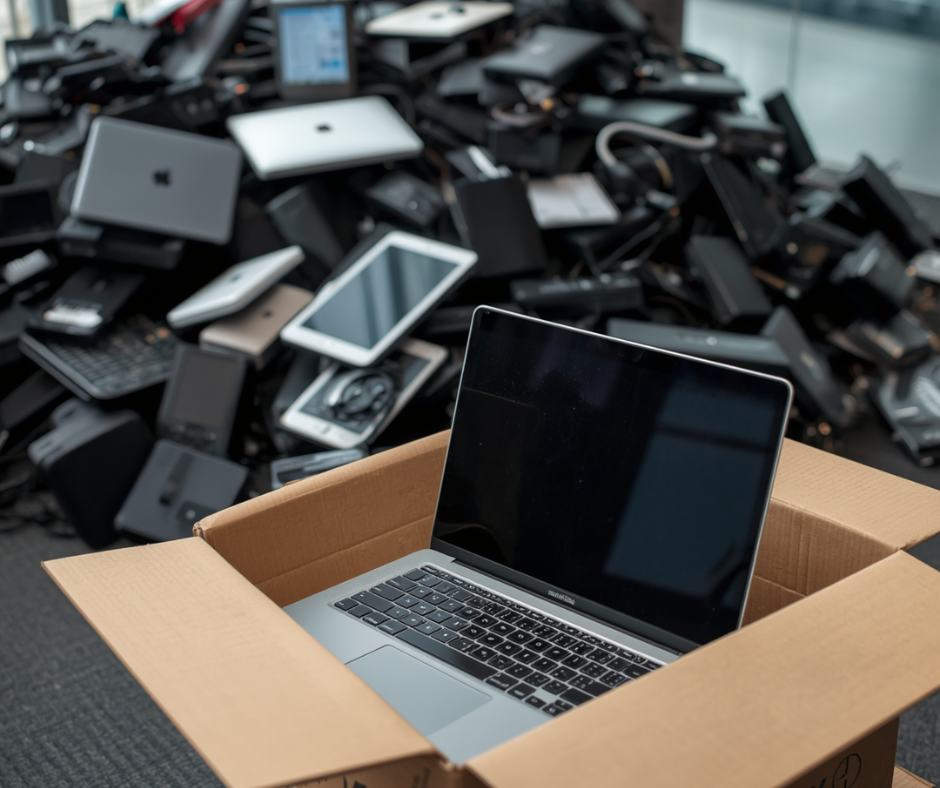
Many electronic devices still contain valuable materials that can be recovered and reused.
Through electronic waste recycling, components can be processed safely while reducing the demand for new raw materials.
Benefits of responsible recycling include:
- Reduced landfill waste
- Resource conservation
- Lower environmental impact
- Support for sustainability goals
- Improved compliance with environmental regulations
For businesses, responsible recycling also strengthens environmental, social, and governance (ESG) initiatives.
As organizations continue to modernize their operations, the demand for commercial e waste disposal services is increasing.
A structured disposal process helps businesses:
- Safely remove obsolete equipment
- Protect sensitive business information
- Improve workplace efficiency
- Support sustainability commitments
- Ensure responsible waste management
By partnering with certified recyclers, businesses can ensure that electronic assets are managed securely and responsibly.
India’s digital transformation is creating exciting opportunities for growth and innovation. However, it also highlights the need for better waste management and responsible handling of electronic waste.
Whether it is a small business replacing a few laptops or a large enterprise managing thousands of devices, every organization has a role to play in reducing the impact of e-waste.
The future of sustainable technology depends not only on the devices we buy but also on how we manage them when they reach the end of their useful life.
E-waste is no longer just an environmental concern it is a growing business challenge. As organizations continue to upgrade technology, the need for effective e waste recycling, business electronic waste disposal, corporate e waste recycling, and enterprise recycling solutions will continue to grow.
By adopting responsible recycling practices today, businesses can protect the environment, improve compliance, and contribute to a more sustainable future for India.