Before You Recycle Your Old IT Equipment Why Data Destruction Should Come First
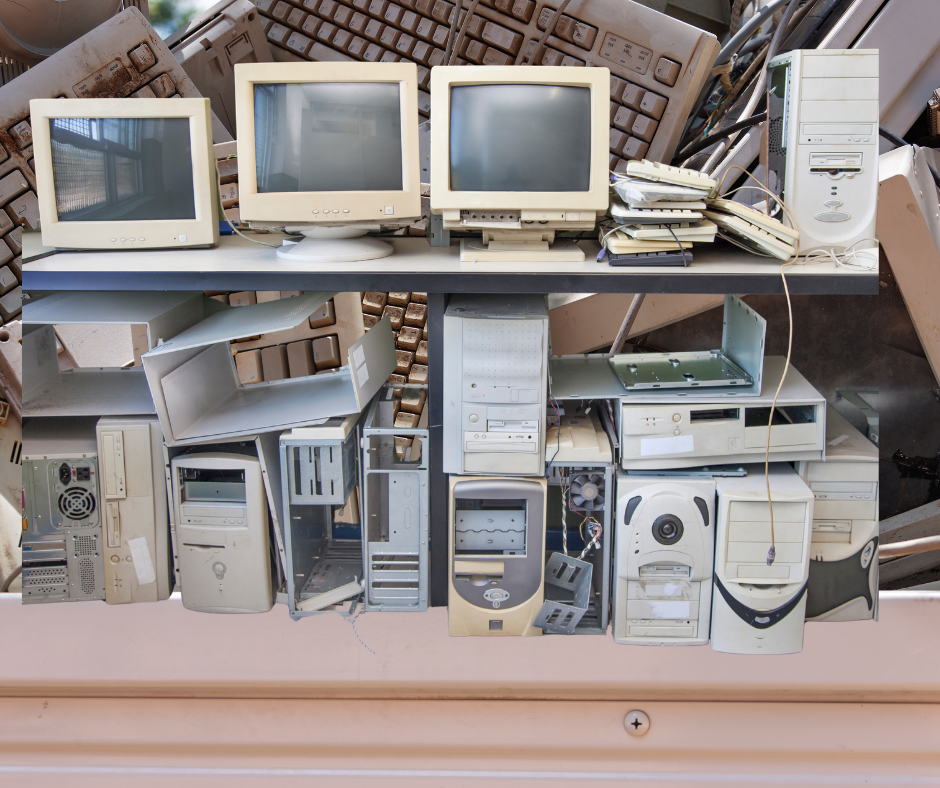
A company replaces its laptops every few years. Servers are upgraded. Storage devices are removed. Old desktops are moved out of offices.
At this point, many organizations think the job is complete.
The devices are no longer being used. They are ready for disposal.
But there is one important question every business should ask
Has the data inside those devices been permanently removed?
An old computer may look outdated from the outside, but inside it can still contain valuable and confidential information.
From customer records and financial documents to employee details and business strategies, retired IT equipment can become a serious data security risk if it is not handled properly.
Technology upgrades are happening faster than ever.
Businesses regularly replace:
- Employee laptops
- Desktop computers
- Servers
- Hard drives
- Storage devices
- Network equipment
This continuous technology lifecycle creates a large volume of retired IT assets.
While businesses focus on purchasing new technology, the disposal stage is often overlooked.
Without a proper process, old devices may:
- Remain stored in offices for years
- Reach unauthorized parties
- Expose confidential information
- Create compliance risks
This is why modern organizations are combining IT asset disposition (ITAD) with secure data destruction.
Many people believe that deleting files or formatting a hard drive removes all information.
However, deleted files can often be recovered using specialized tools.
A simple delete command only removes the reference to the data. The actual information may still exist on the storage device.
For businesses handling sensitive information, secure methods are required.
Professional data destruction ensures that information is permanently removed before devices are recycled, reused, or resold.
Different storage devices require different approaches for safe data removal.
1. Certified Data Wiping
Data wiping uses specialized software to overwrite existing information multiple times, making recovery impossible.
This method is useful when equipment can be refurbished or reused.
Benefits include:
- Secure data removal
- Equipment reuse opportunities
- Asset value recovery
- Environment-friendly disposal
2. Data Degaussing
Data degaussing uses magnetic fields to destroy information stored on magnetic media.
It is commonly used for:
- Hard disk drives
- Magnetic storage devices
- Certain enterprise storage systems
This method helps organizations securely eliminate sensitive information.
3. Hard Drive Shredding
For highly confidential data, physical destruction may be required.
Hard drive shredding breaks storage devices into small pieces, preventing any possibility of data recovery.
This is commonly preferred for:
- Government data
- Financial information
- Confidential business records
- Failed storage devices
IT Asset Disposition is more than simply removing old electronics.
A professional ITAD process manages the complete journey of technology assets.
It includes:
✔ Asset collection
✔ Inventory tracking
✔ Data destruction
✔ Equipment evaluation
✔ Refurbishment
✔ Recycling
✔ Reporting and documentation
A structured ITAD program helps businesses protect information while maximizing the remaining value of their electronic assets.
Data security and environmental responsibility go together.
Before electronics enter the recycling process, businesses must ensure that sensitive information has been removed.
After secure data destruction, devices can move safely through:
- Refurbishment
- Component recovery
- Material recycling
- Responsible disposal
This creates a complete lifecycle approach where businesses protect both their information and the environment.
Mistake 1: Keeping Old Devices in Storage
Many organizations store unused equipment thinking they may need it later.
Over time, these devices become outdated and increase security risks.
Mistake 2: Choosing Unverified Disposal Methods
Sending electronics to unauthorized recyclers can result in improper handling and compliance issues.
Mistake 3: Ignoring Documentation
Businesses need proper records to prove responsible disposal.
Certificates such as data destruction certificates and recycling documentation provide transparency.
Managing IT equipment disposal internally can be challenging, especially for organizations handling large volumes of devices.
A professional e-waste and ITAD partner helps businesses achieve:
- Secure data protection
- Responsible electronic waste disposal
- Regulatory compliance
- Better asset recovery
- Sustainable recycling practices
The right partner ensures that retired technology does not become a security or environmental problem.
The future of technology management is not only about buying newer devices.
It is also about managing older devices responsibly.
Businesses are moving towards:
- Digital asset tracking
- Automated IT inventory management
- Advanced recycling technologies
- Secure data destruction processes
- Circular economy practices
Organizations that adopt responsible IT asset disposal strategies will be better prepared for future security and sustainability requirements.
Conclusion: Every Device Has a Lifecycle Manage It Responsibly
An old laptop is not just an unused device.
It represents business data, valuable materials, and environmental responsibility.
Before sending electronics for recycling, organizations must ensure that their information is permanently protected.
By combining secure data destruction, IT asset disposition, and responsible e-waste recycling, businesses can reduce risks, recover value, and contribute to a sustainable technology ecosystem.
The future of technology is not only about innovation, but it is also about responsible management of what comes next.