How to Schedule Bulk E-Waste Collection for Offices in India
Introduction
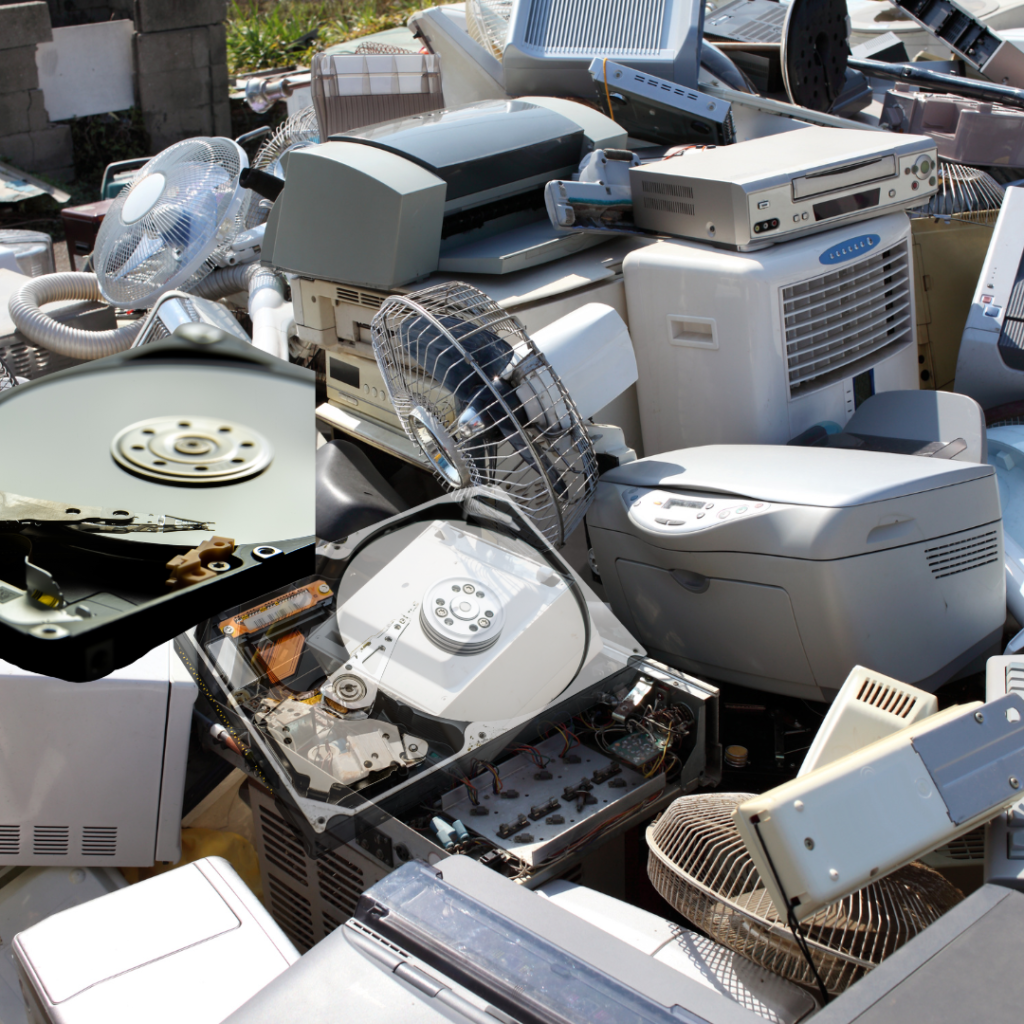
Explain the increasing amount of obsolete office electronics due to rapid technology upgrades. Introduce the importance of planning a secure, compliant, and environmentally responsible bulk e-waste collection process.
Why Offices Generate Large Volumes of E-Waste
- Laptop replacements
- Desktop upgrades
- Server refresh cycles
- Networking equipment
- Printers and scanners Mobile devices
- Accessories and peripherals
When Should Your Office Schedule Bulk E-Waste Collection?
- Office relocation
- Hardware upgrades
- Data center modernization
- Employee device replacement
- Annual IT asset audits
- Warehouse clearance
Step-by-Step Process to Schedule Bulk E-Waste Collection

Step 1
Identify obsolete electronic assets.
Step 2
Prepare an inventory list.
Step 3
Separate reusable and non-functional equipment.
Step 4
Choose an authorized e-waste recycling partner.
Step 5
Schedule pickup based on your business operations.
Step 6
Ensure secure data destruction before recycling.
Step 7
Receive documentation and recycling certificates.
Why Secure Data Destruction Should Be Part of Every Collection
Certified Data Wiping
Hard Drive Shredding
Data Degaussing
Protection against data breaches
Compliance with organizational security policies
Benefits of Professional Bulk E-Waste Collection
- Improved workplace safety
- Regulatory compliance
- Secure disposal of sensitive data
- Better ESG performance
- Responsible recycling
- Asset value recovery
- Organized office space
- Reduced environmental impact
How to Choose the Right E-Waste Recycling Partner
- Government authorization
- Experience in corporate collections
- Secure logistics
- ITAD capabilities
- Data destruction services
- Documentation
- Nationwide pickup support
- Transparent reporting
Common Mistakes Businesses Should Avoid
- Storing obsolete electronics indefinitely
- Deleting files without certified destruction
- Selling devices without data sanitization
- Using unauthorized recyclers
- Ignoring documentation
Frequently Asked Questions
How much e-waste is considered bulk?
Can businesses schedule one-time pickup? Is data destruction included?
What devices are accepted?
How long does collection take?
Will I receive recycling certificates?
Conclusion
Summarize the importance of structured e-waste management and encourage businesses to plan regular collections to improve security, compliance, and sustainability.