What Are the Risks of Improper Data Destruction?
Introduction
Every organization eventually reaches a point where laptops, desktops, servers, hard drives, and other IT assets need to be replaced. While upgrading technology improves productivity, it also creates an important responsibility: ensuring that the data stored on retired devices is permanently destroyed.
Many businesses mistakenly believe that deleting files, emptying the recycle bin, or formatting a hard drive completely removes sensitive information. In reality, much of that data can still be recovered using readily available recovery tools. If confidential business information falls into the wrong hands, the consequences can include financial losses, operational disruption, compliance issues, and damage to customer trust.
Secure data destruction is not simply an IT task it is a critical part of cybersecurity, risk management, and responsible IT asset disposal. This guide explains the risks of improper data destruction, why businesses should take it seriously, and the best practices for protecting sensitive information throughout the IT asset lifecycle.
What Is Improper Data Destruction?
Improper data destruction occurs when information stored on digital devices is not permanently erased before those devices are reused, resold, recycled, or discarded.
Common examples include:
- Deleting files without securely erasing them
- Formatting storage devices before disposal
- Selling old laptops without certified data wiping
- Disposing of hard drives with intact information
- Storing retired IT assets without a secure disposal plan
These practices may appear sufficient, but they often leave data recoverable, creating unnecessary risks for businesses.
Why Secure Data Destruction Matters
Modern businesses generate and store enormous volumes of confidential information every day. This includes customer records, employee information, financial documents, contracts, intellectual property, emails, project files, and strategic business data.
When IT assets reach the end of their lifecycle, the information they contain remains valuable even if the hardware itself no longer is. Without proper data destruction, organizations risk exposing years of sensitive business information to unauthorized individuals.
Major Risks of Improper Data Destruction
1. Data Breaches
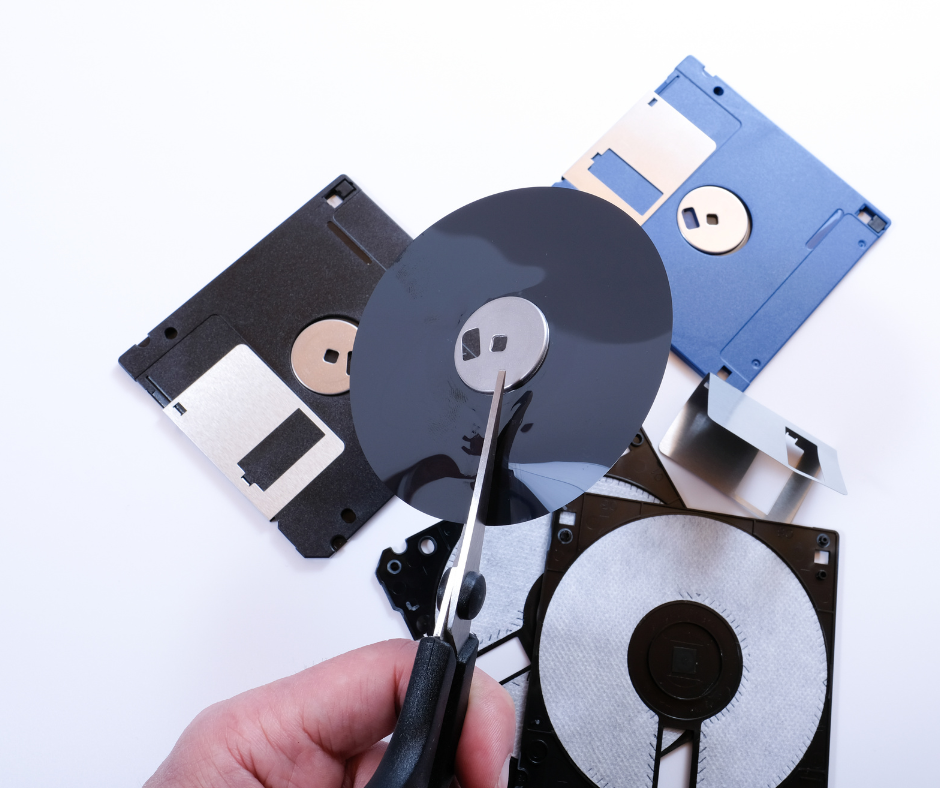
One of the most significant risks is unauthorized access to confidential information.
Retired laptops, hard drives, SSDs, and servers often contain sensitive data that can be recovered if not securely erased. Cybercriminals or unauthorized users may gain access to:
- Customer databases
- Employee records
- Financial statements
- Contracts
- Product designs
- Business strategies
- Login credentials
- Internal communications
A single compromised storage device can expose thousands of records and create serious business consequences.
2. Financial Losses
Data breaches are expensive.
Beyond the immediate cost of responding to a security incident, businesses may also face:
- Investigation costs
- Legal expenses
- Customer notification costs
- System recovery expenses
- Business interruption
- Revenue loss
- Increased cybersecurity investments
Preventing these costs through secure data destruction is often far more economical than responding to a breach after it occurs.
3. Compliance and Regulatory Risks
Many industries are required to protect confidential information throughout its lifecycle, including when IT assets are retired.
Improper disposal of storage devices can create compliance challenges and increase the risk of penalties or legal action if sensitive information is exposed.
Implementing certified data destruction processes demonstrates that organizations take information security seriously and maintain responsible data handling practices.
4. Damage to Business Reputation
Trust is one of the most valuable assets any organization can build.
Customers, partners, and stakeholders expect businesses to protect confidential information. If sensitive data is exposed because old devices were not securely destroyed, the impact extends beyond financial losses.
Businesses may experience:
- Reduced customer confidence
- Negative publicity
- Loss of business opportunities
- Damage to brand credibility
- Difficulty winning future contracts
Rebuilding trust after a preventable data incident can take years.
5. Identity Theft and Fraud
Improperly destroyed storage devices may contain personally identifiable information such as employee details, customer contact information, tax records, or banking information.
If accessed by malicious actors, this information can be used for identity theft, financial fraud, or unauthorized account access.
Secure data destruction significantly reduces this risk by ensuring information cannot be recovered.
6. Loss of Intellectual Property
Business information extends beyond customer records.
Retired devices often store:
- Product designs
- Software source code
- Engineering documents
- Business proposals
- Research data
- Pricing strategies
- Proprietary processes
Exposure of intellectual property can reduce a company’s competitive advantage and affect long-term growth.
7. Environmental and Sustainability Risks
Improper disposal of electronic devices does not only create data security risks—it also affects environmental sustainability.
Electronic waste contains materials that require responsible handling and recycling. Partnering with an authorized e-waste recycler ensures retired IT assets are managed responsibly while supporting environmental compliance and resource recovery.
Combining secure data destruction with responsible e-waste recycling protects both business information and the environment.
Common Data Destruction Mistakes Businesses Make
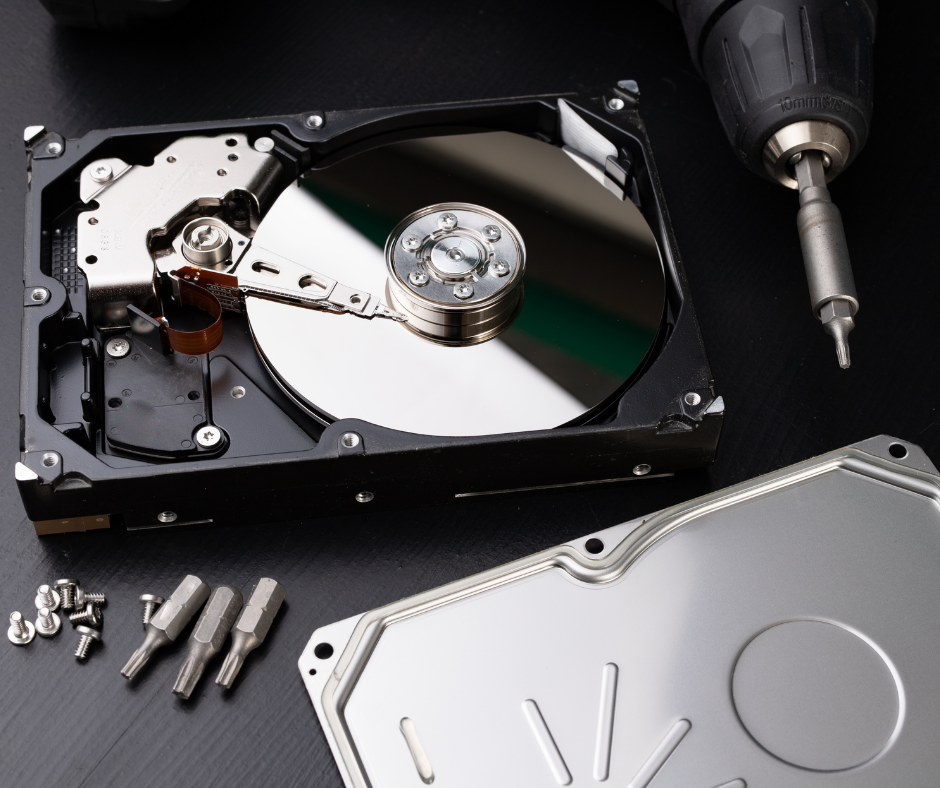
Many0 organizations unknowingly increase their exposure by relying on outdated disposal methods.
Some of the most common mistakes include:
- Assuming deleted files are permanently removed
- Formatting drives before resale
- Storing obsolete equipment indefinitely
- Donating computers without secure data wiping
- Working with uncertified disposal vendors
- Failing to maintain records of destroyed assets
- Ignoring portable storage devices such as USB drives and external hard disks
A structured IT Asset Disposition (ITAD) process helps eliminate these risks.
Best Practices for Secure Data Destruction
An effective data destruction strategy should include multiple layers of protection.
Certified Data Wiping
Certified data wiping permanently removes information from reusable storage devices using verified software methods.
This allows organizations to securely redeploy or resell assets while protecting sensitive information.
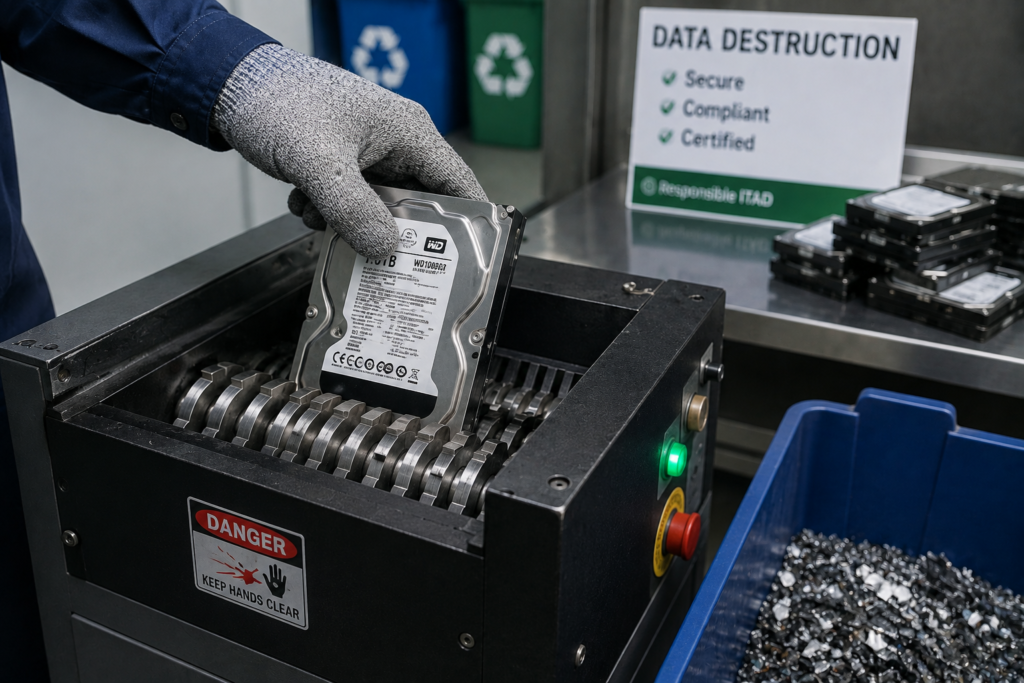
Hard Drive Shredding
Physical destruction ensures storage media cannot be reconstructed or accessed again.
Hard drive shredding is particularly suitable for devices containing highly confidential information.
Data Degaussing
Degaussing uses a powerful magnetic field to erase data stored on magnetic media, making it unreadable.
It is commonly used for traditional hard disk drives and magnetic storage devices.
Chain of Custody
Maintaining documented control of IT assets throughout the disposal process reduces the risk of unauthorized access and provides greater accountability.
Certificate of Data Destruction
Receiving a Certificate of Data Destruction provides documented evidence that storage devices were securely processed according to established procedures.
This documentation can support internal audits and compliance requirements.
How IT Asset Disposition (ITAD) Supports Secure Data Destruction
Secure data destruction is most effective when it forms part of a comprehensive IT Asset Disposition (ITAD) strategy.
An ITAD process typically includes:
- Asset inventory and tracking
- Secure collection and transportation
- Data sanitization or destruction
- Asset value recovery where appropriate
- Responsible e-waste recycling
- Documentation and reporting
By integrating these steps, organizations can reduce security risks while maximizing the value of retired IT assets.
Why Businesses Should Choose a Certified Data Destruction Partner
Managing retired IT assets requires specialized expertise, secure processes, and documented handling procedures.
A certified service provider helps organizations:
- Protect confidential information
- Reduce the risk of data breaches
- Improve operational security
- Support compliance requirements
- Ensure responsible recycling practices
- Maintain complete documentation throughout the disposal process
Working with an experienced partner provides confidence that sensitive information has been permanently removed before assets leave your control.
Conclusion
Improper data destruction is more than an IT oversight—it is a business risk that can affect security, compliance, finances, and reputation.
As organizations continue to upgrade their technology, every retired device should be treated as a potential source of sensitive information. Simply deleting files or formatting a drive is not enough to protect valuable business data.
Implementing secure data destruction practices as part of a structured IT Asset Disposition strategy helps safeguard confidential information, supports responsible e-waste management, and gives businesses greater confidence throughout the technology lifecycle.
Protecting your data does not end when a device reaches the end of its life. In many ways, that is when protection matters most.